

Top 10 Freshwater Aquarium Fish for Beginners in 2026

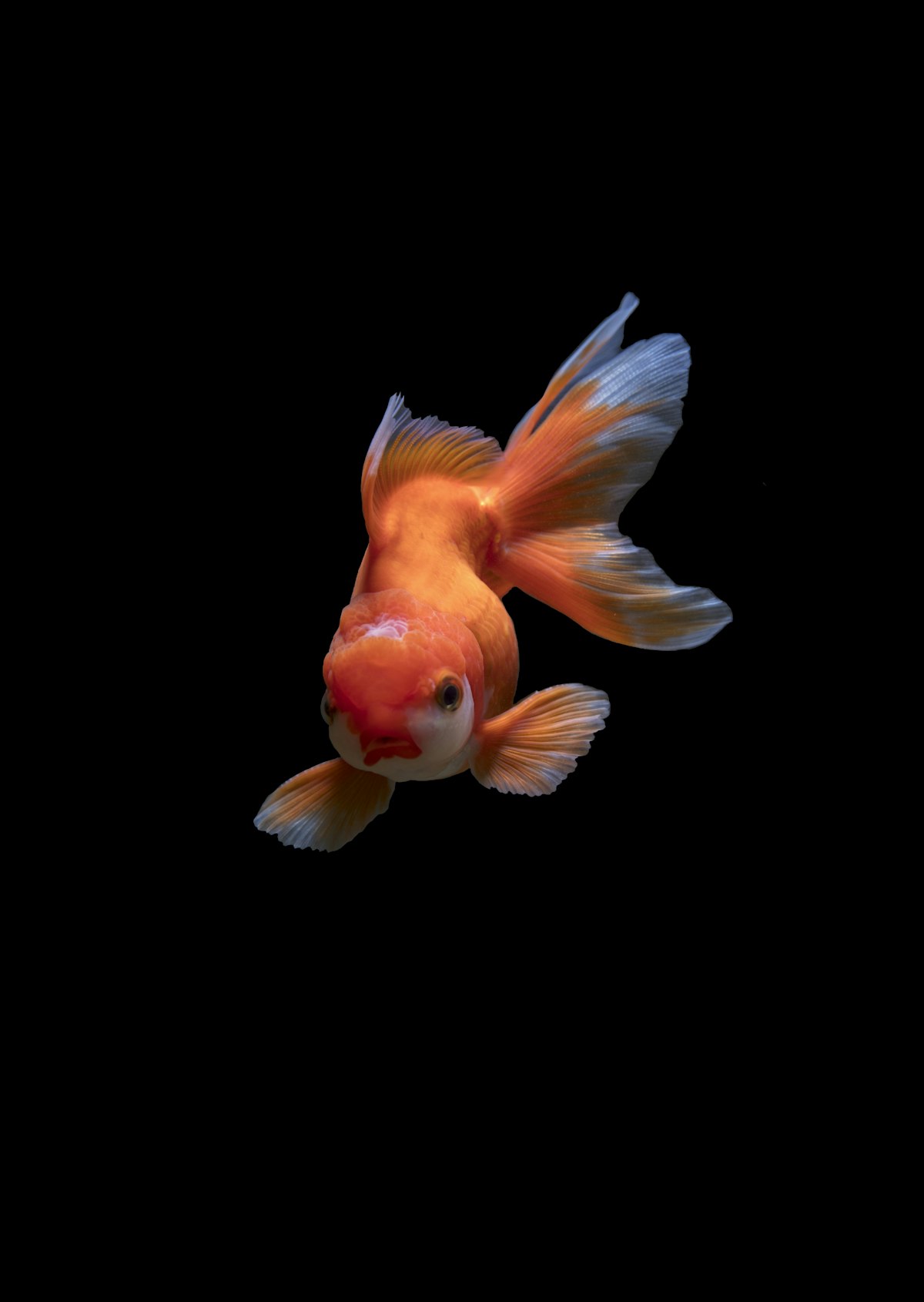
Choosing the right freshwater aquarium fish is the single most important decision a new hobbyist makes. The wrong species can lead to frustration and heartbreak, while the right freshwater aquarium fish bring color, personality, and life to your tank with minimal fuss. Starting your first aquarium is one of the most rewarding hobbies you can pick up, and it all begins with smart fish selection.
Below are the top 10 freshwater aquarium fish for beginners in 2026, each chosen for hardiness, beauty, and ease of care. Whether you keep a compact nano tank or a larger display, these freshwater aquarium fish give you the best possible start to the hobby here in the UAE.
1. Guppies
Guppies remain the undisputed king of beginner fish. These tiny, colorful swimmers are incredibly hardy, tolerate a wide range of water conditions, and breed easily — sometimes too easily! Males display stunning tail patterns in every color imaginable. A small group of 5-6 guppies can thrive in a tank as small as 40 liters, making them perfect for apartment living in the UAE.
2. Neon Tetras
With their iconic blue and red stripe, neon tetras add an electric glow to any aquarium. They are peaceful schooling fish that do best in groups of 8 or more. Keep them in a well-planted tank with subdued lighting to see their colors truly pop. They prefer slightly acidic water but adapt well to most conditions.
3. Betta Fish (Siamese Fighting Fish)
Bettas are famous for their flowing fins and vibrant colors. A single male betta can be the centerpiece of a beautifully aquascaped nano tank. They are low-maintenance and do not require a filter in smaller setups, though one is always recommended. Just remember — never keep two males together, as they will fight.
4. Mollies
Mollies are versatile, friendly, and available in a range of colors from solid black to dalmatian-spotted. They can adapt to both freshwater and slightly brackish conditions, making them extremely resilient. Mollies are livebearers, so expect babies if you keep males and females together!
5. Corydoras Catfish
These adorable bottom-dwellers are the cleanup crew every aquarium needs. Corydoras are peaceful, social fish that should be kept in groups of at least 4-5. They spend their time sifting through substrate looking for leftover food, helping keep your tank clean. Their gentle nature makes them compatible with nearly any community fish.
6. Platies
Platies are cheerful, active fish that come in a rainbow of colors. Like guppies and mollies, they are livebearers and very easy to breed. They are not picky eaters and will happily munch on flake food, frozen treats, and even algae. A great choice for family aquariums.
7. GloFish Danios
One of the biggest trends in 2026, GloFish Danios are genetically modified zebrafish that fluoresce under blue LED lighting. Available in electric green, cosmic blue, starfire red, and more, they add a futuristic vibe to any setup. They are just as hardy as regular danios and perfect for beginners who want something eye-catching.
8. Cherry Barbs
Cherry barbs are peaceful, hardy, and the males develop a stunning deep red coloration. They do well in planted tanks and are excellent community fish. Keep them in groups of 6 or more for the best color display and natural behavior.
9. Bristlenose Pleco
If algae is your enemy, the bristlenose pleco is your best friend. These small plecos (growing to about 12-15 cm) are efficient algae eaters that stay much smaller than their common pleco cousins. They are nocturnal and peaceful, spending most of their time attached to glass or driftwood.
10. Dwarf Gourami
Rounding out our list is the dwarf gourami, a beautiful labyrinth fish with iridescent blue and orange stripes. They are calm, easy to care for, and add a touch of elegance to medium-sized community tanks. They breathe air from the surface, so leave some space between the water line and the tank lid.
Setting Up for Success
No matter which fish you choose, success starts with proper setup. Cycle your tank for at least 2 weeks before adding fish, maintain consistent water temperature (24-28°C is ideal for tropical species in the UAE), and invest in a quality filter and LED lighting.
At TaraPet, we stock a wide selection of aquarium supplies, from tanks and filters to premium fish food and water conditioners. Browse our online store to find everything you need to start your fishkeeping journey.
See also
How to Choose the Right Freshwater Aquarium Fish
With so many options, picking the right freshwater aquarium fish comes down to a few simple principles. Consider your tank size first, since larger species need more swimming room, and match the temperament of the fish so peaceful and aggressive species are never mixed. Beginners should always start with hardy, forgiving freshwater aquarium fish before attempting anything delicate.
- Match fish to your tank size and water volume
- Choose peaceful, compatible species for a community tank
- Start with hardy beginner-friendly freshwater aquarium fish
- Research adult size, not just the size at purchase
- Buy from a reputable source for healthy stock
Taking the time to plan your stocking list prevents overcrowding and conflict, two of the most common problems new keepers face. A thoughtful selection of freshwater aquarium fish rewards you with a peaceful, thriving tank.
Caring for Your Freshwater Aquarium Fish
Once your freshwater aquarium fish are home, consistent care keeps them healthy and vibrant. Regular partial water changes, a balanced diet, and stable water parameters form the foundation of good fishkeeping. Avoid overfeeding, which is the leading cause of poor water quality in beginner tanks.
Cycling your tank before adding fish is essential. The nitrogen cycle establishes the beneficial bacteria that break down waste, protecting your freshwater aquarium fish from harmful ammonia and nitrite spikes. Patience during this stage pays off enormously in long-term success.
Observe your fish daily. Healthy freshwater aquarium fish are active, eat eagerly, and display bright colors, while changes in behavior or appearance are early warning signs worth investigating. Early action prevents small issues from becoming serious.
Common Beginner Mistakes to Avoid
Many newcomers make the same avoidable errors. Adding too many fish too quickly, skipping the cycling process, and choosing incompatible species top the list. Each of these mistakes stresses your freshwater aquarium fish and undermines the stability of the tank.
Overfeeding is another frequent pitfall. Fish need surprisingly little food, and uneaten portions quickly pollute the water. Feeding small amounts once or twice a day is far healthier for your freshwater aquarium fish than generous portions that foul the tank.
By learning these lessons early, you spare yourself frustration and give your fish the best possible chance to flourish from day one.
Frequently Asked Questions
What are the easiest freshwater aquarium fish for beginners?
Guppies, platies, mollies, and neon tetras are among the easiest freshwater aquarium fish for beginners, thanks to their hardiness, peaceful nature, and tolerance of a range of conditions.
How many fish can I keep in my tank?
Stocking depends on tank size and species. As a rough guide, avoid overcrowding and research the adult size of each fish, since too many freshwater aquarium fish in a small tank causes stress and poor water quality.
Do I need to cycle my tank first?
Yes. Cycling establishes beneficial bacteria that keep the water safe. Adding freshwater aquarium fish to an uncycled tank is the most common cause of early losses for beginners.
Start Your Aquarium With TaraPet
Ready to welcome your first freshwater aquarium fish? TaraPet stocks everything you need, from tanks and filters to food and accessories, delivered across the UAE. Explore our innovative aquarium solutions or read our 2026 aquascaping trends guide to design a beautiful home for your new fish.
For deeper species care information, the community-driven resources at SeriouslyFish are an excellent reference for hobbyists of every level.
Setting Up Your First Tank
A successful aquarium starts long before any fish arrive. Choose a tank as large as your space and budget allow, because bigger volumes are more forgiving of mistakes and offer more stable water conditions. A good rule for beginners is to start no smaller than a 40 to 60 litre tank, which gives you room to keep a small, happy community.
Equip your tank with a reliable filter rated for your volume, a heater to maintain a steady tropical temperature, and gentle lighting. Add a substrate, a few plants or decorations for shelter, and a water-testing kit so you can monitor parameters from the very beginning. This simple setup creates a welcoming home for your first fish.
Position the tank away from direct sunlight and on a sturdy, level surface near a power source. Once everything is in place and the tank is cycled, you can begin slowly adding your carefully chosen species over several weeks.
Feeding Your Fish the Right Way
Nutrition has a huge impact on the health and color of your fish. A high-quality staple flake or pellet suited to your species forms the basis of a good diet, supplemented occasionally with frozen or live foods for variety and enrichment. Different species have different needs, so research what your particular fish prefer.
Feed only what your fish can consume in a couple of minutes, once or twice daily. This prevents leftover food from decaying and protects water quality. Many beginners are surprised by just how little their fish actually need to thrive.
Occasional fasting days are perfectly healthy and even beneficial, mimicking the natural feeding patterns fish experience in the wild. A varied, measured diet keeps your fish energetic and brightly colored.
Maintaining Healthy Water
Water quality is the invisible foundation of fishkeeping. Even the hardiest species suffer in poor conditions, so regular maintenance is non-negotiable. A weekly partial water change of around a quarter of the volume removes accumulated waste and replenishes essential minerals.
Test your water regularly for ammonia, nitrite, nitrate, and pH. Stable parameters matter more than chasing perfect numbers, since sudden swings cause the most stress. A consistent routine keeps conditions steady and your fish comfortable throughout the year.
Treat tap water with a quality dechlorinator before adding it, and match the temperature to the tank to avoid shocking your fish. These small habits make a remarkable difference to long-term health and longevity.
Building a Peaceful Community Tank
One of the great joys of the hobby is watching a well-balanced community of fish coexist. The secret is compatibility: combine species with similar temperaments, water requirements, and swimming zones so that everyone has space to thrive. Mixing bottom dwellers, mid-water schoolers, and surface fish creates a lively, layered display.
Avoid pairing timid species with boisterous or nippy ones, and never combine fish whose adult sizes differ so much that one becomes a meal for another. With thoughtful planning, your community will feel harmonious rather than chaotic, and each fish will display its best natural behavior.
Adding fish gradually, rather than all at once, lets your filter keep pace with the increasing bioload. This patient approach protects everyone in the tank and gives you time to observe how new additions settle in alongside the established residents.
Enjoying the Hobby for Years to Come
Fishkeeping is a journey, not a destination. As your confidence grows, you may branch into planted tanks, breeding projects, or more challenging species. Each new step deepens your appreciation for these fascinating animals and the miniature ecosystems you create for them.
Keep learning, connect with fellow hobbyists, and celebrate the small victories along the way. With the right start and a little ongoing care, your aquarium will bring beauty, calm, and endless fascination into your home for many happy years.
Remember that every expert fishkeeper was once a beginner staring at an empty tank. The most important ingredients for success are patience, observation, and a willingness to learn from each experience. Choose your first freshwater aquarium fish wisely, give them a stable and well-maintained home, and the rewards will far outweigh the modest effort involved in getting started.
Take it one step at a time, enjoy the process of watching your underwater world come to life, and do not be discouraged by the occasional setback. With the hardy, beginner-friendly species in this guide and the care principles outlined above, you are well equipped to begin a hobby that brings joy for years.
